
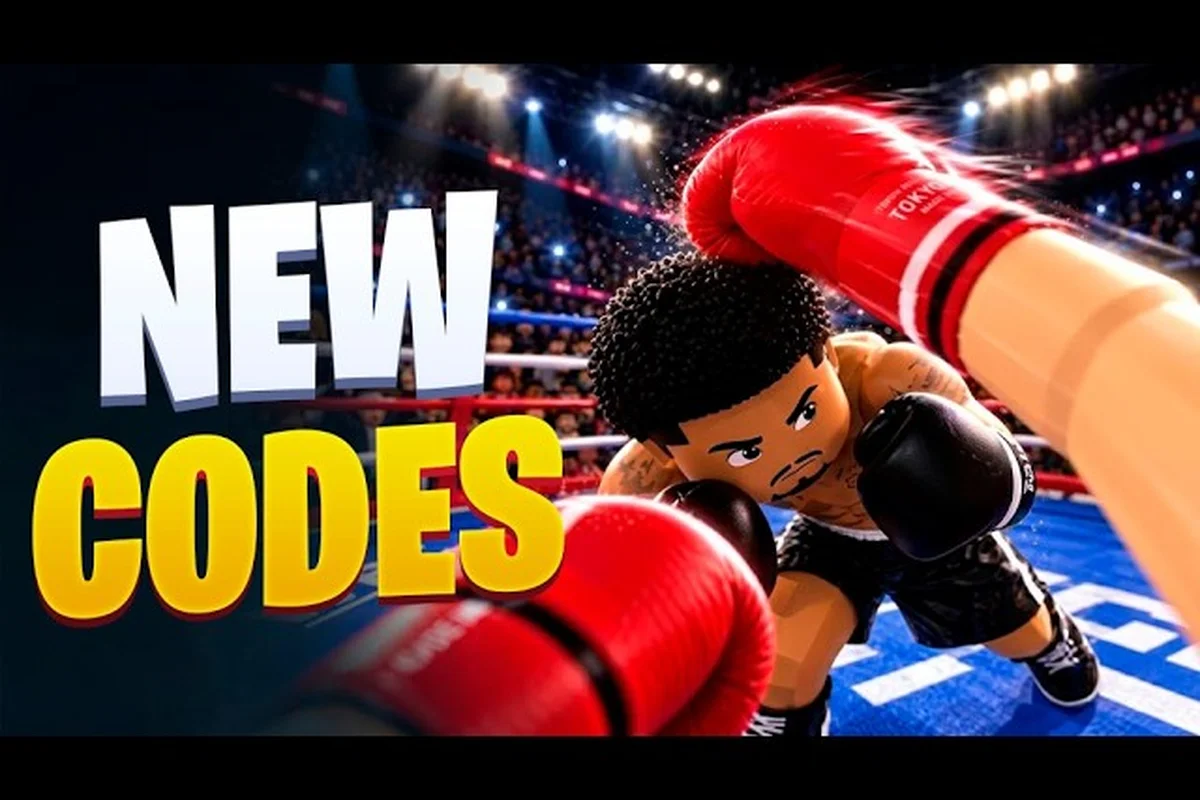
Your first hour in First Person Boxing decides whether the rest of the night feels fun or frustrating. This starter guide gives you a clean first-hour plan, walks you through the menus you will actually touch, and points out the small early wins that bank momentum before ranked mode even comes into view. Because the experience launched 28 September 2026 and is still on a frequent patch schedule (most recent update 16 October 2026), the safest first-day approach is to learn the core inputs, the stamina meter, and the head/body guard split, then rack up easy early wins in practice before you chase PvP glory. Every detail below is sourced from the official Roblox store page and live community data captured on 2026-10-16, so you are reading a snapshot that reflects the build as it actually shipped.
What First Person Boxing Is and Why the First Hour Matters
First Person Boxing is a Roblox boxing experience published by the group Can You Box? (operated by the developer account Moonlet), and it is built around a deliberately small set of mechanics. According to the official description, the game has five named systems: punches, slips, a head guard plus a body guard, counters that can produce a knockout, and a stamina pool that slows you down when it empties. There are also cinematic knockdowns with replays, and two ways to play — against other players in player versus player matches, or against AI in practice. Servers hold up to 16 players, and the game runs on PC, mobile, and console. It carries a Mild Violence age rating, and voice chat plus camera features are not supported.
The reason your first hour matters so much is that the game is young and the community is still forming habits. Live figures at capture (2026-10-16) show roughly 742.8K visits, about 2.3K concurrent players, about 6K favourites, and 10,483 likes against 787 dislikes, which works out to roughly 93% positive. That kind of reception is encouraging, but it also means most opponents you meet in your first week are still learning the same things you are. Whoever locks down clean fundamentals first has a real edge in the early population. If you are brand new to Roblox boxing in general, a solid companion is the broader First Person Boxing beginner walkthrough which focuses on the overall onboarding flow.
| Official fact | Value (as of 2026-10-16) |
|---|---|
| Publisher group | Can You Box? (developer: Moonlet) |
| Launch date | 28 September 2026 |
| Most recent update | 16 October 2026 |
| Server size | Up to 16 players |
| Platforms | PC, mobile, console |
| Age rating | Mild Violence |
| Voice chat / camera | Not supported |
| Total visits | ~742.8K |
| Concurrent players | ~2.3K |
| Favourites | ~6K |
| Likes / dislikes | 10,483 / 787 (~93% positive) |
| Named mechanics | Punches, slips, head guard, body guard, counters, stamina pool, knockdowns, replays |
| Play modes | PvP and AI practice |
Your First-Hour Plan: A Clean Order of Operations
The single most common early mistake is bouncing between modes before the basics click. A tight first hour looks like this: spend roughly fifteen minutes in the menus and options, fifteen to twenty minutes in AI practice learning each input, and the remaining time in casual PvP. This sequence is the heart of any first person boxing getting started routine, because menu choices compound throughout the session, and the practice ring forgives the mistakes that PvP will punish.
| Phase | Time budget | Goal | What success looks like |
|---|---|---|---|
| Menus and options | ~15 min | Sensitivity, control scheme, slot setup | Inputs feel responsive, no surprises mid-fight |
| AI practice | ~15–20 min | Each input, stamina behaviour, guard split | You can land a clean three-punch string without gas-out |
| Casual PvP | ~25–30 min | Apply inputs against a thinking opponent | You win more rounds than you lose and finish tired, not gassed |
Reading the Menus Before You Touch a Match
The first fifteen minutes are unglamorous, but they pay off for the next hundred hours. Adjust the look sensitivity until a slow camera turn matches your wrist speed, confirm the control scheme on your platform, and double-check the slot count on your character. The official store lists four slot-related game passes — Slot 2 (79 Robux), Slot 3 (129 Robux), Slot 4 (189 Robux), and Skip Spin (79 Robux) — and these are the only monetised items the developer has published. Everything else that looks like it might cost Robux is unverified by the official page, so treat it as cosmetic speculation at best.
A useful sanity check is to spend your first minute of menu time just looking at the stamina indicator and the head/body guard icons. Knowing where these live on the HUD means you are not searching for them mid-round, which is one of the classic first person boxing beginner mistakes. If you want a side-by-side look at the passes and what the slot system actually unlocks, the game pass comparison page breaks the prices and the published mechanics down cleanly.
AI Practice Is the Unlocked Cheat Code
Practice against the AI is the single most underused tool in the first hour, and skipping it is one of the most reliable first person boxing common mistakes. The AI is patient, predictable, and willing to absorb your bad habits — exactly the qualities you want while your fingers are still learning where the buttons are. Use this phase to confirm three things: that a punch input lands reliably, that a slip input actually moves your head off the centre line, and that switching between head guard and body guard feels intentional rather than accidental. By the end of practice you should be able to throw a short combination, see your stamina dip, recover, and still have enough left to guard a counter attempt.
The Five Mechanics You Must Learn in the First Hour
The official description names five mechanics, and the easiest way to internalise them is to treat each one as a small drill rather than a paragraph of theory. Below is a quick-reference table, followed by short drills that you can run inside the AI ring.
| Mechanic | Role in a round | Beginner drill |
|---|---|---|
| Punches | Deal damage, open the stamina of the opponent | Throw a 3-punch string, then reset |
| Slips | Move your head off the centre line to dodge | Slip after every blocked exchange |
| Head guard | Block strikes aimed at the head | Hold during predictable head-target attacks |
| Body guard | Block strikes aimed at the body | Hold when the opponent dips low |
| Counter (knockout) | Punish a committed attack | Wait for the AI to swing, then counter |
Punches, Slips, and Why Order Matters
Punches and slips are the two inputs that travel together. A player who throws a punch without ever slipping is reading like a bot, and a player who only slips without ever committing is reading like a spectator. The first hour is the time to install the rhythm: punch, slip, punch, slip. The stamina pool slows you down when it empties, so the third punch in any string should feel slightly heavier than the first. If you are sprinting into every exchange and ending every round flat on the meter, slow your output by one punch per string — that single change removes a huge slice of the typical first person boxing beginner mistakes log.
Head Guard vs Body Guard — the Split Most New Players Miss
The official description splits guard into two systems, head guard and body guard, which is the cleanest hint that the game is built around targeted defence. A common early error is to hold a single all-purpose guard and hope it covers both zones. It will not. The head guard blocks high strikes, the body guard blocks low ones, and the AI is happy to alternate zones until you guess wrong. During the practice phase, force yourself to switch guards deliberately three times per round. The day you switch guards without thinking is the day PvP starts to feel fair.
A Starter Guide Plan That Holds Up
Counters are the highest-value input in the game because they can produce a knockout, and knockdowns come with cinematic replays. The counter window is narrow by design, so the beginner drill is patience: wait for the AI to commit to a punch, slip or guard the strike, and only then press the counter input. Trying to counter on instinct usually ends with a clean knockdown the other way. If you find yourself never landing counters, slow down — you are probably countering too early.
Early Wins: Small Habits That Bank Momentum Fast
Early wins in the first hour are not about pulling off highlight-reel knockouts. They are about removing the small leaks that drain your stamina and your patience. The habits below are the ones experienced first hour players pick up fastest, and the ones fresh players keep relearning the hard way for the first few nights.
| Habit | Why it works | First-hour target |
|---|---|---|
| Reset after every string | Lets stamina recover before the next exchange | One clean reset per combo |
| Alternate guard zones | Defeats opponents who target-test high then low | Three zone switches per round |
| Use practice as warm-up | Locks in inputs before ranked pressure | At least 10 minutes warm-up |
| End rounds tired, not gassed | Keeps the stamina pool above the slow-down line | ~30% stamina at the bell |
| Read the stamina bar | Stamina is a public resource — yours and theirs | Glance at it once per exchange |
Banking One Clean Win Per Session
A realistic first-hour target is to win at least one clean round against another player, even if you lose the match. One clean round means you finished a round with stamina to spare, did not get knocked down, and made your opponent work for every point. That single data point is worth more than five chaotic losses because it proves your inputs are wired correctly. If you cannot bank a clean round, return to AI practice and trim one input out of every string until stamina stays positive.
A Starter Guide Plan That Holds Up
The stamina pool is the only resource in the round that is shared between you and your opponent, and that makes it the cleanest early signal of momentum. When your opponent's stamina is low, they are slower, their guards are weaker, and their counters are riskier. When yours is low, you are a target. The first hour is the time to build the habit of glancing at the bar once per exchange, because that glance is the difference between ending a round gassed and ending it ready to counter.
Starter Guide Checklist
A lot of the same patterns show up in every fresh player's first night. The good news is that they are well-known, and the fix for each one is mechanical rather than theoretical. The table below pairs the most frequent first person boxing common mistakes with the smallest change that breaks the cycle.
| Common mistake | What it costs you | One-line fix |
|---|---|---|
| Skipping AI practice | Bad inputs installed into muscle memory | 15 minutes of drills before any PvP |
| Holding one guard forever | Opponents switch zones and punish | Alternate head and body guard every exchange |
| Throwing long strings | Stamina empties, you slow down | Cap strings at 3–4 punches |
| Countering on instinct | You eat the counter you tried to land | Wait for the committed punch, then counter |
| Ignoring stamina bar | You round the corner gassed | Glance once per exchange |
| Touching unverified shop items | Wasted Robux on unconfirmed content | Stick to Slot 2, Slot 3, Slot 4, Skip Spin |
| Chasing ranked on day one | You install bad habits under pressure | Treat ranked as a goal, not a first-hour mode |
The Five-Minute Reset Rule
If a session is going badly, the cheapest recovery move is a five-minute reset. Leave the queue, drop into practice for five minutes, and rebuild the punch-slip-guard rhythm with zero pressure. Most losing streaks in the first week are not skill problems — they are inputs drifting under fatigue. The reset rule turns that drift into a routine, and it is one of the strongest habits you can install on day one. Players who internalise the reset rule early tend to climb faster later, because they stop practising the wrong version of themselves.
Frequently Asked Questions
What should I do in the very first hour of First Person Boxing?
Spend roughly fifteen minutes in the menus and options confirming sensitivity, control scheme, and slot count, then run fifteen to twenty minutes of drills in AI practice covering punches, slips, head guard, body guard, and counters. Finish the hour in casual PvP with a target of one clean round won. This first hour sequence is the cleanest way to start, because practice forgives the mistakes PvP punishes.
What are the most common first-hour mistakes new players make?
The biggest ones are skipping AI practice entirely, holding a single all-purpose guard instead of alternating head and body, throwing long punch strings that empty the stamina pool, and countering on instinct before the opponent commits. A simple one-line fix for each of these exists, and they are listed in the mistake table above. Treat the list as a checklist before you start a session.
Is ranked mode available in the first hour?
Ranked mode is confirmed to exist — the official event page is titled RANKED + BUG FIX! with the subtitle New ranked mode!, hosted by Can You Box? — but the developer has not published any details about tiers, divisions, rating formulas, season length, or resets. Because none of that detail is published, treat ranked as a goal for after your first hour, not as a starting mode. Use the first hour to install clean inputs, then graduate into ranked when the basics feel automatic.
Are there any official game passes worth knowing about on day one?
The only monetised items the official store currently lists are Slot 2 at 79 Robux, Slot 3 at 129 Robux, Slot 4 at 189 Robux, and Skip Spin at 79 Robux. Everything else that looks like it might cost Robux is not confirmed on the official page, so treat it as unverified. Day one, the safest spend is nothing — let the first hour teach you which slot you actually need before you open the wallet.
Does First Person Boxing support voice chat or camera features?
No. According to the official description, voice chat and camera features are not supported. The age rating is Mild Violence, and the game runs on PC, mobile, and console, so plan for text-only communication in lobbies. This is also why visual tells and stamina reads matter more than callouts, and why the head/body guard split is a real skill check rather than something a teammate can talk you through mid-round.