
Mechanics
First Person Boxing mechanics explained: slipping punches, head and body guards, counter windows, stamina that slows you and cinematic knockdown replays.
Introduction
The official description of First Person Boxing names a small set of systems, and understanding how they interact is the difference between trading punches and winning exchanges. There are two guard positions, one for the head and one for the body. Slipping moves you out of the path of an incoming punch rather than absorbing it. Counters are the punches you land inside the gap an opponent creates while attacking, and the same description ties them to devastating knockouts. Underneath all of it sits stamina: getting tired slows you down, so the resource you spend determines whether you can still move when the finishing exchange arrives. Knockdowns end bouts with a cinematic replay, which is also the best free coaching you will get in this game.
The Five Confirmed Systems
| System | Type | What It Does | Cost |
|---|---|---|---|
| Slip | Movement | Takes your head off the incoming punch line | Position, not stamina |
| Guard | Cover | Covers the head or the body in two separate positions | Leaves you in the exchange |
| Counter | Offence | Punishes the gap an attacker creates | Requires a correct read |
| Stamina | Resource | Slows you down as it empties | Every thrown punch |
| Knockdown | Finisher | Ends the bout with a cinematic replay | Slipping up once too often |
System Breakdown
Slip
Leave The Line
Guard
Two Positions
Counter
The Payoff Punch
Stamina
The Real Clock
Knockdown
Reading The Replay
Core Mechanics
The systems in First Person Boxing are deliberately few and readable, and their real complexity comes from how they trade against each other. Guarding and slipping both stop an incoming punch, but they cost different things: a guard costs you position inside the exchange and keeps your stamina draining, while a slip costs you movement and lets you answer. That is why the slip-then-counter loop is the centre of the game — it converts defence into offence in one motion. Stamina sits underneath both, because the official description states that being tired slows you down, which means every extra swing is borrowed from your movement later in the bout. Knockdowns close the loop: a decisive blow ends the fight with a cinematic replay, and that replay is the honest record of what you failed to read. Treat the four parts as one machine and you will improve much faster than by learning them in isolation.
Advantages
The strength of this system set is that it is legible. There is no hidden stat sheet or opaque rarity ladder sitting between you and a win — the official description names five systems and all five are things you can practice directly. That makes diagnosis possible: if you lost, it was because you missed a slip, chose the wrong guard, wasted stamina, or swung into a gap that was not there yet. First-person perspective reinforces this, because you personally see the punch that beat you rather than watching a character fail. The cinematic replays are an unusually generous feature for a fighting game, effectively handing you a free review of every knockout, and the fact that the same mechanics run on PC, mobile and console means nothing you learn is platform-locked.
Challenges
Legible does not mean easy, and the honest weaknesses here are worth stating. First-person timing is harder than third-person, because your field of view is narrow and a punch that starts outside it gives you almost no warning. Guard choice adds a decision under pressure — picking the head guard when the attack goes low is a mistake the game will punish immediately. Stamina is unforgiving in long bouts, and because the official description confirms that fatigue slows you down without publishing numbers, you have to learn your own limits by feel rather than by reading a value. Finally, the game is new and shipping fixes; the ranked announcement shipped alongside a bug-fix pass, so balance and even mechanic behaviour can shift under you between patches.
Frequently Asked Questions
Should I block or slip?+
How do I know when my stamina is low?+
What exactly is a counter?+
Are there hidden mechanics I am missing?+
Quick Tips
Learn to separate your defensive options before you combine them. Spend one session holding guard through every exchange and the next slipping out of everything, even when slipping feels like the wrong call. The point is not to win those sessions but to make each option automatic, so that later, when the moment arrives, your body chooses instead of your brain deliberating while the counter window closes.
Treat the cinematic replay after a knockout as free coaching. It shows you exactly which punch you failed to read, and that is information you cannot get from the live exchange because everything happens too fast. Watch it deliberately, name the punch, and then spend the next session drilling that specific defensive read instead of practising whatever happens to be comfortable.
Guard choice is a real decision and beginners ignore it. The official description names separate guards for the head and the body, which means an attack that goes low will punish a high guard. Practice switching between the two in AI bouts until the switch is instant, because in a live bout you will have well under a second to make that call correctly.
Never spend your last stamina on a flurry. Because tiredness slows you down, an empty bar does not just mean you cannot punch — it means you cannot move, which removes your ability to slip and therefore your ability to set up counters at all. Keep a floor on the bar and disengage when you reach it, even if the exchange looks winnable right now.
Think of the slip as a setup rather than a defence. On its own, moving your head off the punch line simply avoids damage; the value comes from the fact that you stay in range to answer immediately. If you slip and then wait, you have spent movement for nothing. Slip and punch as one motion, and the counter window becomes something you create rather than something you hope for.
Featured
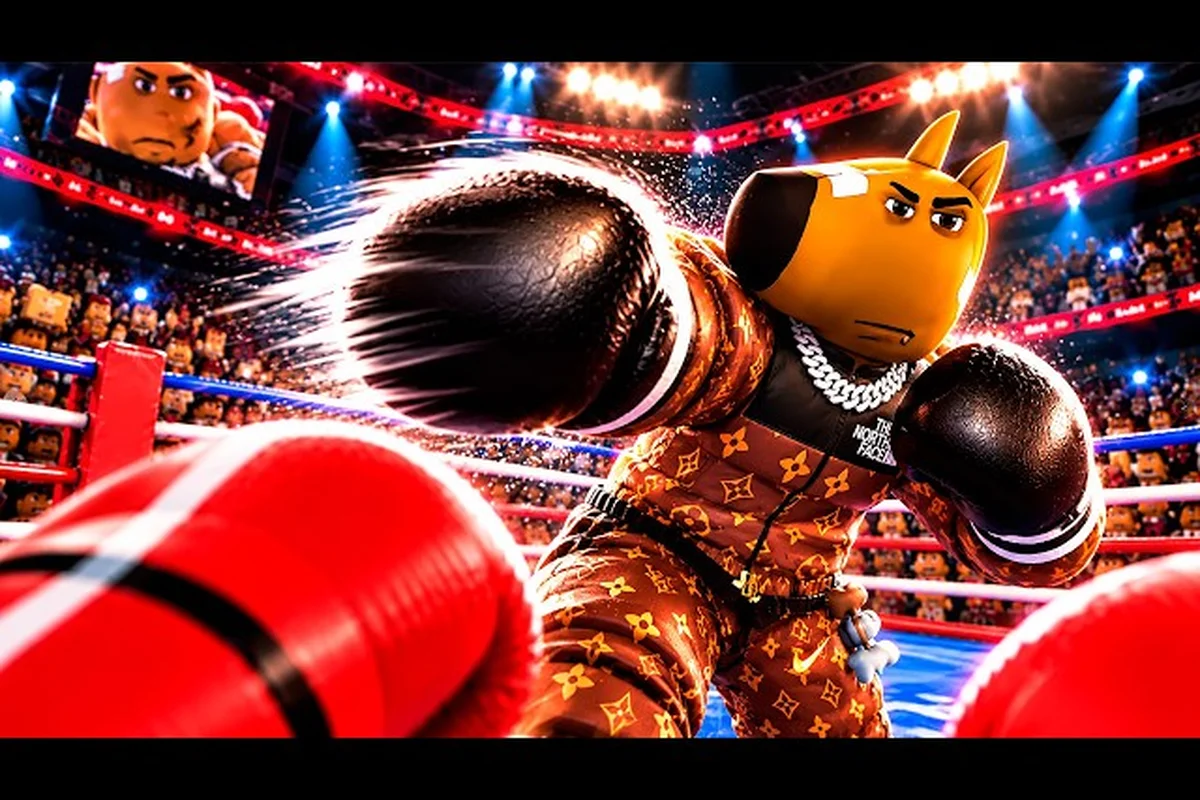
First Person Boxing How Mechanics Work: Punch, Slip & Guard
Break down First Person Boxing how mechanics work, from stamina drain and punch timing to slip, counter, and guard systems that decide every clean exchange.

First Person Boxing Damage System: Core Mechanics Explained
Understand the First Person Boxing damage system through the confirmed mechanics, from landing punches and counters to the knockout rules the developer names.
First Person Boxing Hit Detection: How Slips Beat Blocks
Break down First Person Boxing hit detection, how a slip differs from a guard, and how stamina drain shapes the counter windows that decide each exchange.
All Articles
First Person Boxing Distance Management: Range and Timing
Master First Person Boxing distance management with clear range zones, footwork cues, and timing that turns inside fighting into clean counter shots.
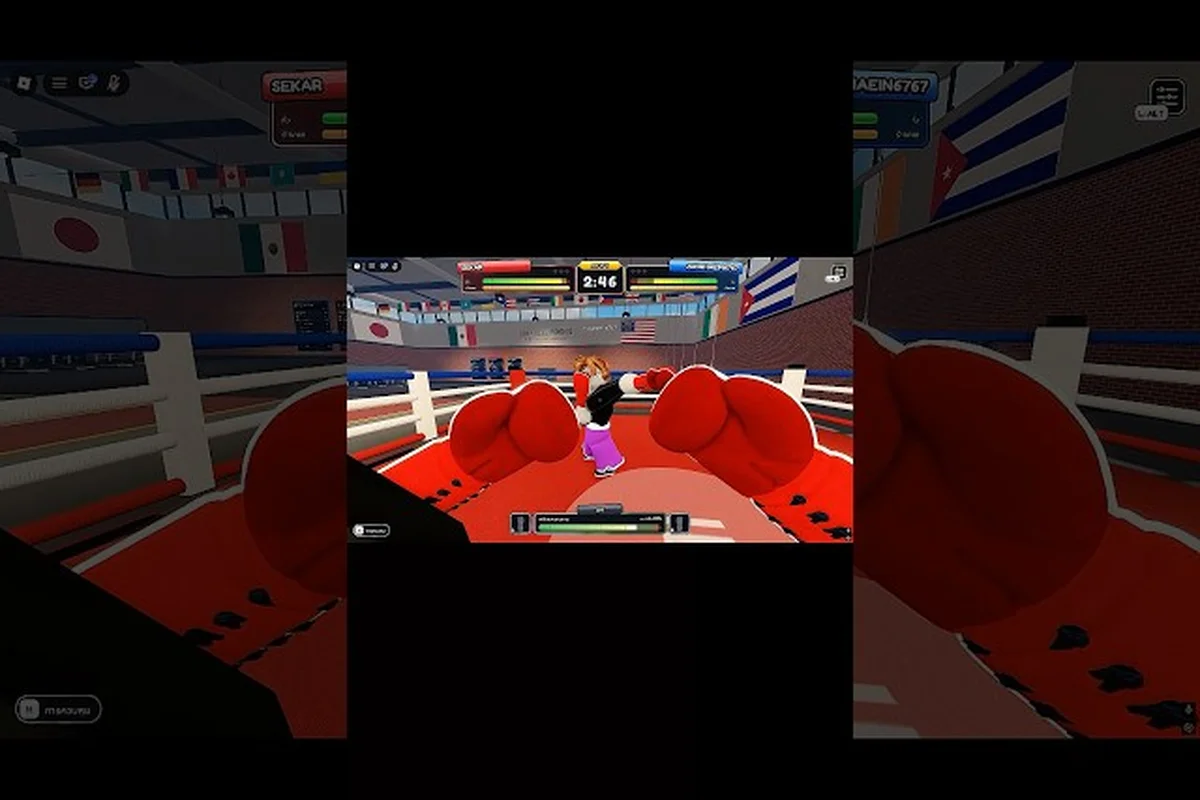
First Person Boxing Stamina Bar: KO Windows & Guard Drain
Manage the First Person Boxing stamina bar, exploit the knockdown window after heavy swings, and time guards so opponents gas out before the final round.
First Person Boxing Tired Mechanic: Stamina and Recovery
Find out how the First Person Boxing tired mechanic slows your movement when the stamina pool empties, and how to pace yourself so you stay in the fight.
First Person Boxing How to Slip Punches: Timing Drills & Counters
Master First Person Boxing how to slip punches with timing drills, range reads, and counter setups that turn head movement into clean return shots.
First Person Boxing When to Slip: Reads, Drills & Punish Windows
Pin down First Person Boxing when to slip with sharp punch reads, head-movement timing drills, and punish windows that flip defense into clean return shots.